Health and Safety Policy for Cleaners Colliers Wood
 Our Cleaners Colliers Wood health and safety policy sets out a clear commitment to protecting staff, clients, visitors, and anyone affected by cleaning activities. We aim to maintain a safe, organised, and responsible working environment by identifying hazards early, applying sensible controls, and encouraging a culture where safety is part of every task. This policy applies to all routine cleaning, specialist cleaning, waste handling, equipment use, and movement between work areas.
We recognise that cleaning work can involve physical strain, slips, chemical exposure, and the use of electrical equipment. For this reason, our cleaning safety policy is based on prevention, supervision, and proper training. All cleaners are expected to follow safe systems of work, use equipment correctly, and report concerns without delay. Management is responsible for ensuring that safe practices are understood, reviewed, and supported across all jobs.
 Risk assessment is central to our approach. Before work begins, hazards are considered and, where necessary, measured controls are introduced. These may include clear signage for wet floors, suitable ventilation when products are used, and safe storage of materials. In the middle of every assignment, cleaners are expected to remain alert to changing conditions, such as cluttered walkways, damaged fixtures, or unexpected access to restricted areas.
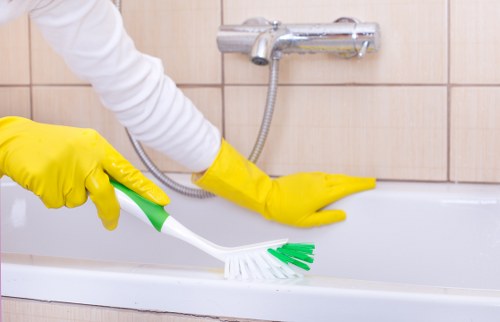
All staff must use the correct personal protective equipment where required. Depending on the task, this may include gloves, masks, protective footwear, or eye protection. PPE must be worn, maintained, and replaced when damaged. In addition, only approved cleaning products should be used, and chemicals must be clearly labelled, stored securely, and never mixed unless instructions specifically permit it. This is a key part of our health and safety for cleaners standards.
Manual handling is another priority. Cleaners are encouraged to use good posture, avoid unnecessary lifting, and seek assistance with heavy or awkward loads. Trolleys, carts, and other aids should be used whenever possible to reduce strain and prevent injury. If a task feels unsafe, it should be paused and reported so that a safer method can be arranged. The aim is to keep cleaning operations efficient without compromising wellbeing.
 Equipment safety is equally important. Machines, vacuums, and electrical tools must be checked before use and taken out of service if faults are noticed. Cables should be kept tidy to prevent trips, and equipment must never be used in ways that exceed the manufacturer’s instructions. Regular inspection helps us maintain reliable cleaning operations while reducing the risk of fire, electric shock, or accidental damage.
Hygiene and infection control procedures are followed at all times. Waste should be collected and disposed of using suitable bags or containers, and contaminated materials must be handled carefully. Staff should wash or sanitise their hands after completing tasks, especially when dealing with toilets, rubbish, or shared surfaces. Where necessary, cleaning routines may be adjusted to meet the needs of sensitive environments and protect the health of building users.
Training and supervision support every part of this policy. New workers receive induction covering hazards, safe product use, emergency actions, and incident reporting. Refresher training is provided when procedures change or new equipment is introduced. Supervisors monitor standards, correct unsafe practice, and encourage workers to speak up if they notice a danger. This helps strengthen professional cleaning safety across all teams.
We also expect everyone to help prevent slips, trips, and falls. Floors should be left as dry as possible, cords must be managed carefully, and obstacles should be removed from corridors and working zones. Where surfaces cannot be made safe immediately, access should be restricted until the risk has passed. Clear communication is essential, especially when several people are working in the same area.
 Emergency procedures form part of the policy and must be understood by all cleaners. In the event of an accident, spill, fire alarm, or medical issue, staff should stop work, make the area safe where possible, and follow the instructions of the responsible person on site. Incidents, near misses, and hazards must be reported promptly so that action can be taken and lessons can be learned.
We review this policy regularly to make sure it remains effective, practical, and aligned with current working conditions. Updates may be made after an incident, a change in equipment, or a review of working methods. Our commitment is to provide a safe environment for cleaners and clients alike, while supporting high standards of service. Cleaners Colliers Wood remains focused on safety, accountability, and continuous improvement.
 Every member of staff has a duty to work carefully, cooperate with safety measures, and protect themselves and others. By combining training, supervision, safe equipment, and clear procedures, we create a workplace where cleaning tasks can be carried out effectively and with confidence. This policy should be followed at all times as part of our shared commitment to safe and professional working practices.