Complaints Procedure for Cleaners Colliers Wood
 A clear complaints procedure helps ensure that issues are handled fairly, quickly, and with respect for everyone involved. For a cleaners Colliers Wood service, having a simple and professional process means clients know what to do if something is not quite right, and cleaning teams know how concerns will be reviewed. A well-structured approach protects standards, supports trust, and encourages consistent service delivery.
When a complaint is received, it should be treated as an opportunity to improve. Whether the concern relates to quality, punctuality, communication, or conduct, the process should remain calm and organised. A strong cleaner complaints policy is not about blame; it is about understanding what happened and finding a practical solution. Clear steps also help reduce confusion and avoid misunderstandings later.
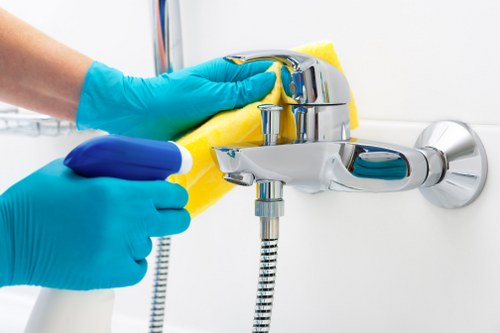 The first stage is to acknowledge the complaint promptly. This shows the issue has been noticed and will be reviewed properly. At this point, it is helpful to gather the key facts: what happened, when it happened, and which service was affected. A polite and structured response can reassure the client while also giving the cleaning team time to check records and speak to staff if needed.
Next, the complaint should be assessed fairly. Some issues may be straightforward and resolved quickly, while others may need more detail before a decision is made. The person reviewing the matter should remain neutral and focus on evidence rather than assumptions. In a cleaning company complaints process, fairness is essential because it shows that every concern is handled consistently, regardless of size or timing.
It is also important to define what outcomes are possible. Depending on the issue, the resolution may include a re-clean, an apology, a schedule adjustment, or a review of cleaning instructions. The aim is to restore confidence and correct the problem where possible. A professional cleaner service complaint handling system should make resolutions practical and proportionate.
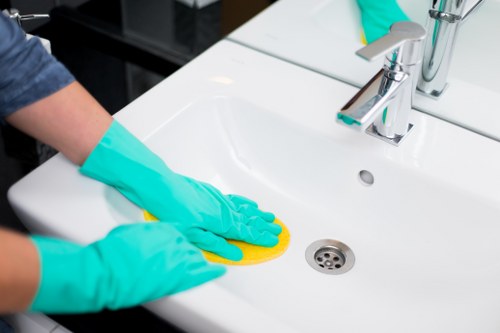 Communication throughout the process should be clear and respectful. Avoid using technical language that may confuse the client. Instead, explain what has been reviewed, what was found, and what will happen next. If a complaint is complex, provide an estimated timeframe for the next update. This helps maintain transparency and keeps expectations realistic while the matter is being resolved.
Staff training plays a major role in preventing repeated complaints. Cleaners should understand service standards, reporting expectations, and how to respond if a client raises a concern. When teams know what is expected, they are better equipped to maintain quality and professionalism. A good cleaning complaints procedure should therefore support both response and prevention.
Record-keeping is another important part of the process. Every complaint should be logged with the date, the nature of the issue, any actions taken, and the final outcome. This makes it easier to spot patterns, such as repeated concerns about missed areas or poor communication. Over time, these records help improve service quality and guide decisions about training or process changes.
Where appropriate, the complaint may need a follow-up check to confirm the issue has been resolved. This can be as simple as a brief review after the next visit or a quality inspection after remedial work. The goal is to make sure the client feels heard and that the service has returned to the expected standard. A cleaner complaint resolution process should always close the loop properly.
 Sometimes a complaint cannot be resolved immediately. In those cases, it is important to explain why and keep the client informed. Delays handled with honesty are usually better than rushed answers that do not address the concern. Even if the outcome is not exactly what the client hoped for, a polite and organised procedure can still preserve confidence in the service.
If the issue involves repeated dissatisfaction, it may be necessary to review service arrangements more broadly. This could include changing instructions, adjusting cleaning methods, or clarifying responsibilities. A professional complaints process should support improvement rather than simply reacting to problems after they occur. That mindset helps create a more reliable and consistent cleaning experience.
It is equally important to ensure the procedure is easy to understand. A complicated process can discourage people from raising concerns, which means problems may go unresolved. The best cleaners complaint policy uses plain language, clear steps, and a respectful tone. Simplicity encourages proper reporting and supports a healthier working relationship between clients and service providers.
 Finally, every complaints procedure should be reviewed from time to time. Service expectations can change, staff may need updated training, and new risks can appear in different settings. Regular review keeps the policy relevant and effective. By maintaining a sensible complaints handling procedure for cleaners, businesses can respond more confidently, improve service standards, and reduce the chance of repeated issues.
A fair complaints process benefits everyone. Clients gain a clear way to raise concerns, cleaners receive guidance on expectations, and the service as a whole becomes more dependable. In the end, the best approach is one that is calm, consistent, and focused on practical resolution. A well-managed cleaning service complaints procedure shows professionalism and a commitment to doing the job properly.