Same day emergency cleaning Colliers Wood available now
If you need same day emergency cleaning Colliers Wood available now, you are probably dealing with a mess that cannot wait until tomorrow. Maybe a pipe has leaked, a tenant has just moved out, food has been left to sour, or a room needs to be put back into a usable state before guests, an inspection, or the next working day. Whatever the reason, emergency cleaning is less about luxury and more about regaining control. And honestly, that first hour matters more than people realise.
This guide explains what urgent cleaning really involves, how a same-day booking usually works, what to expect from a professional visit, and how to choose the right level of help without wasting time. You will also find practical checklists, common mistakes to avoid, and a realistic comparison of emergency cleaning methods. If you are in a rush, the aim is simple: help you make a calm, sensible decision under pressure.
Table of Contents
- Why Same day emergency cleaning Colliers Wood available now Matters
- How Same day emergency cleaning Colliers Wood available now Works
- Key Benefits and Practical Advantages
- Who This Is For and When It Makes Sense
- Step-by-Step Guidance
- Expert Tips for Better Results
- Common Mistakes to Avoid
- Tools, Resources and Recommendations
- Law, Compliance, Standards, or Best Practice
- Options, Methods, or Comparison Table
- Case Study or Real-World Example
- Practical Checklist
- Conclusion
- Frequently Asked Questions
Why Same day emergency cleaning Colliers Wood available now Matters
Urgent cleaning is often triggered by a situation that is messy, time-sensitive, and slightly overwhelming. In real life, that can mean a kitchen after a failed bin collection and a warm afternoon, a bathroom that needs sanitising after an accident, or a rental property where the clock is already ticking on checkout day. The problem is not just the dirt. It is the pressure surrounding it.
Same-day support matters because delays can make a problem worse. Spills can set, odours can spread, mould can begin to form in damp areas, and soft furnishings can become harder to recover if they are left too long. If you are dealing with a home, you may also need the space to be safe and liveable again. If you are dealing with a business, you may need the premises presentable before staff, customers, or contractors arrive.
In Colliers Wood, where homes, flats, offices, and shared spaces often sit close together, one untreated issue can quickly become a nuisance for neighbours or a headache for the people using the property. That is why emergency cleaning is not just about appearance. It is about damage control, hygiene, and getting life back into a workable rhythm. To be fair, sometimes that is all anyone needs: a clean slate and a bit of breathing room.
Expert summary: The main value of same-day emergency cleaning is speed with structure. A good response focuses on containing the problem first, cleaning properly second, and restoring the space safely without rushing the important details.
How Same day emergency cleaning Colliers Wood available now Works
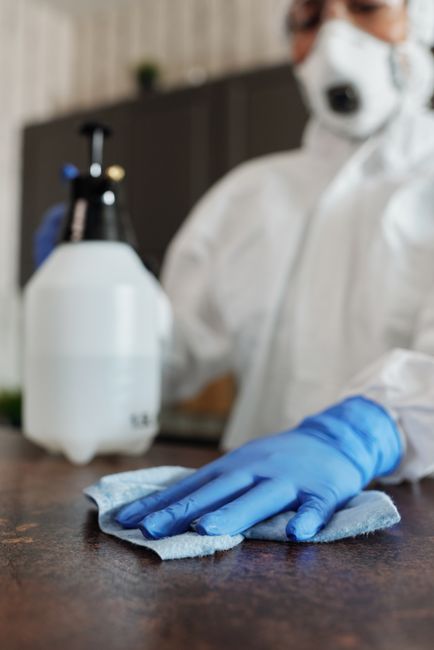
Emergency cleaning is usually quicker and more focused than a standard booking. The first step is a brief assessment of the problem: what happened, how large the affected area is, what surfaces are involved, and whether there are any hazards such as broken glass, sewage contamination, heavy grease, or wet floors. That quick information helps determine how urgent the job is and which cleaning approach makes sense.
A same-day visit often starts with containment. That means clearing access, protecting surrounding areas, and stopping the mess from spreading. After that comes targeted cleaning. In some cases, the team will use a deep cleaning approach for stubborn dirt, while in others a focused one-off cleaning service may be enough to get the property back into shape. If the issue involves floors, soft furnishings, or post-works residue, the cleaning method may be adapted on the spot.
Speed matters, but good emergency cleaning is still methodical. A rushed job that leaves residue, moisture, or cross-contamination is not much use. A proper cleaner should know when to work quickly and when to slow down. That balance is the whole game, really.
For urgent home situations, a professional may draw on domestic cleaning skills, while offices and shared premises may need an approach closer to office cleaning. The underlying principle is the same: identify the immediate risk, reduce it fast, and leave the place orderly enough to use again.
Key Benefits and Practical Advantages
The obvious benefit is time. You do not have to wait days while the problem gets worse. But there are several other advantages that are easy to overlook when you are under pressure.
- Damage reduction: faster intervention can help limit staining, odour spread, moisture damage, and residue build-up.
- Better hygiene: urgent cleaning can restore a safer environment after spills, waste, or heavy traffic.
- Less disruption: a well-managed same-day clean means less downtime for homes, landlords, offices, and short-let properties.
- Clearer priorities: professionals can separate what must be done immediately from what can wait until later.
- Peace of mind: there is real relief in knowing someone is on the way, especially when the situation feels chaotic.
There is also a practical communication benefit. A good cleaning company should help you think clearly, not just scrub quickly. For example, if a sofa has been splashed with something oily, they may suggest upholstery cleaning rather than treating it like a regular surface. If an oven has caused smoke and grease build-up just before a property viewing, an oven cleaning response can stop the smell lingering through the rest of the house. That sort of judgement matters.
Same-day support also helps with presentation. If you are expecting guests, a landlord, or an inspector, the difference between "messy" and "sorted" can be surprisingly small once the right areas are tackled first. A hallway, bathroom, kitchen worktop, or entrance floor can change the whole feel of a property in under an hour or two.
Who This Is For and When It Makes Sense
This service is useful for a wide range of people, not just those dealing with dramatic messes. In practice, the most common users are people who need a property ready today, not eventually.
- Tenants and landlords: after a late checkout, a last-minute inspection, or a property handover that needs urgent attention.
- Homeowners: after spillages, family events, pet mess, unexpected guests, or a stressful week where the place has simply got away from you.
- Letting agents and property managers: when a flat or house must be made presentable between occupants.
- Business owners: if an office, shop, or communal space needs swift cleaning before staff return or visitors arrive.
- People recovering from repairs or decorating: especially when dust, debris, or splashes are left behind.
Sometimes the need is obvious. A flooded kitchen is not exactly subtle. Other times it is more about dignity and momentum. A cluttered, dirty room can make everything feel heavier than it is. Clean one room well and the whole day improves. Funny how that works.
If the problem is more than surface-level clutter, you may need a service with broader scope such as deep cleaning, or, where waste and cleared items are part of the issue, even house clearance may be relevant before the final clean. The right choice depends on what is actually in front of you, not just the service name.
Step-by-Step Guidance
If you need urgent cleaning, the process works best when you stay focused. Here is a simple way to handle it without losing time.
- Identify the immediate problem. Is it a spill, odour, dust, debris, grease, waste, or water? Pin down the main issue first.
- Check whether the area is safe to enter. If there is standing water, broken items, strong fumes, or anything you are unsure about, keep people out until the risk is understood.
- Make a short list of priority areas. For example: bathroom first, kitchen second, hallway third. Do not try to clean everything at once.
- Take a few photos if possible. This helps explain the scale of the job quickly. No need to make a production of it.
- Request the right type of clean. Mention whether you need a quick reset, a more detailed treatment, or a specialist approach for fabrics, floors, or appliances.
- Prepare access. Clear a path to the affected area, unlock the property if required, and make sure parking or entry instructions are ready.
- Confirm expectations. Ask what the clean covers, what it does not cover, and whether follow-up work may be needed.
For urgent appointments, a little clarity saves a lot of back-and-forth. If your kitchen is the main problem, say so plainly. If the issue also includes a stained rug, mention that too. Sometimes one sentence makes the whole thing easier.
And if you are comparing home-based and work-based jobs, look at whether the property behaves more like a private home or a working environment. That distinction helps determine whether home cleaners or office cleaners are the better fit for the job structure.
Expert Tips for Better Results
Emergency cleaning goes smoother when the person requesting it thinks like a site manager for five minutes. Not forever. Just long enough to make the work efficient.
- Act fast on liquids. Blot, do not rub. Rubbing often spreads the stain and pushes it deeper.
- Keep airflow in mind. If the room is safe, fresh air can help reduce odour and moisture build-up while you wait for help.
- Separate surfaces. A hard floor, upholstered chair, and oven tray all need different treatment. The wrong cleaner can make things worse.
- Be honest about the mess. There is no prize for understatement when a cleaner arrives. The cleaner just needs the facts.
- Protect delicate items. Move paperwork, electronics, and valuables away from splash zones if you can do so safely.
One practical point people often miss: a good emergency clean is frequently easier if the affected area is not over-decorated with loose items. A cleared work surface lets the cleaner focus on actual cleaning rather than carefully moving candles, chargers, remote controls, and that one mug everyone seems emotionally attached to.
If the issue is a burnt oven, greasy kitchen walls, or a lingering food smell, directing attention to the appliance first can improve the whole space. The same logic applies to carpets and fabrics; for water-based spills or tracked dirt, a specialist carpet cleaning approach may be more effective than general surface wiping. For area rugs, the more tailored rug cleaning service is often the safer route.
Another small but useful tip: if a room feels too far gone, start with one visible win. A sink cleared, a hallway vacuumed, or a worktop sanitised can change the mood almost immediately. That psychological lift is real.
Common Mistakes to Avoid
Under pressure, people often make the same few mistakes. They are understandable, but avoidable.
- Waiting too long. A fresh stain is almost always easier than a set one.
- Using the wrong product. Bleach, vinegar, powder cleaners, and general sprays are not interchangeable. On some materials, they can cause damage or leave marks.
- Trying to fix everything yourself. If the job is large, contaminated, or time-critical, a rushed DIY clean can waste precious time before the professionals arrive.
- Ignoring soft furnishings. A room may look fine on the surface while a sofa or curtain still carries the smell or residue.
- Failing to explain the full picture. If there is a spill on the floor and on the upholstery, say both things.
Another common misstep is booking a general clean when the issue is actually specialist. For example, post-works dust often needs the right after-build approach rather than a routine tidy. If you have just finished renovations or a repair job, after builders cleaning is usually a better starting point than a standard domestic visit.
And yes, it can be tempting to tidy around the mess and hope that is enough. It rarely is. The hidden bit is usually the bit that causes trouble later.
Tools, Resources and Recommendations
You do not need a cupboard full of products to manage an emergency safely, but a few sensible tools make a big difference. A good basic kit usually includes absorbent cloths, a bucket, gloves, a vacuum, mild detergent, and access to clean water. For more difficult situations, professionals may bring specialist equipment suited to fabrics, floors, or hard surfaces.
If the job involves a specific material, the right service is often more valuable than a general product. For example:
- sofa cleaning for fabric seating that has absorbed a spill or smell
- window cleaning where splashes, dust, or renovation residue are spoiling the finish
- hard floor cleaning for surfaces that need careful treatment after heavy foot traffic or debris
- oven cleaning when grease and burnt residue are affecting the whole kitchen
If you are weighing up what help to request, think in layers: surface clean, detail clean, specialist clean. That simple split is often enough to avoid overbuying or underbuying the service you need.
For booking and planning, it also helps to look at pricing and quotes before you commit, and to review how payment is handled through payment and security. When a job is urgent, clear terms are not a luxury. They are part of the relief.
Law, Compliance, Standards, or Best Practice
Emergency cleaning is not usually about formal compliance in the way construction or medical work can be, but there are still important best-practice expectations. A professional cleaner should work in a way that protects people, property, and themselves. That means sensible use of chemicals, proper handling of waste, awareness of slip hazards, and careful attention to surfaces that may be damaged by aggressive products.
In the UK, property owners and managers also have a practical duty to keep spaces reasonably safe and hygienic for the people using them. That does not always mean a perfect standard on demand, but it does mean taking obvious risks seriously. Wet floors, dirty communal areas, sharp debris, and contamination should not be left to drift. Common sense matters here, and fortunately common sense is still free.
If you want reassurance before letting someone into your home or workplace, it is sensible to check business policies around health and safety, insurance and safety, and terms and conditions. Those pages help explain how responsibilities are handled, what is included, and what the practical boundaries are. You may also want to look at the company's about us information if you prefer to know who is actually coming through the door.
For customers with broader trust or policy concerns, documents such as the privacy policy, complaints procedure, and recycling and sustainability statement can also be useful. They are not exciting reading, admittedly, but they do say a lot about how a company works.
Options, Methods, or Comparison Table
Not every urgent clean needs the same response. The best method depends on the space, the surface, and the type of problem. Here is a simple comparison to help you decide.
| Approach | Best for | Strengths | Limitations |
|---|---|---|---|
| Rapid tidy and reset | Light clutter, visible mess, general presentation | Fast, efficient, low disruption | Not enough for deep stains, odours, or contamination |
| Targeted emergency clean | Spills, kitchen mess, bathroom issues, post-visitor cleanup | Focused on the problem area, good same-day value | May not cover the whole property |
| Deep clean | Embedded dirt, neglected areas, recurring residue | More thorough, better for long-standing grime | Takes longer and may cost more than a basic clean |
| Specialist surface clean | Carpets, sofas, rugs, ovens, windows, hard floors | Better material care, better outcome on stubborn surfaces | Needs the right type of service and equipment |
In practice, the best choice is often a blend. A property may need a targeted clean in the kitchen, a specialist treatment for a sofa, and a light reset elsewhere. That is normal. Cleaners who understand this will usually explain it plainly rather than force everything into a single category.
Case Study or Real-World Example
Here is a realistic example. A small flat in Colliers Wood has a same-day viewing booked for early evening. Mid-morning, a rubbish bag tears, coffee spills on the hallway carpet, and the kitchen bin has started to smell after being left too long. Nothing catastrophic, but enough to create a very bad first impression. The tenant is working, the landlord is due later, and there is no spare afternoon to deal with it.
The most sensible response is not to deep clean the whole flat from scratch. It is to prioritise the entrance, kitchen, and any visible soft furnishings. The hallway needs stain treatment and freshening up. The kitchen needs waste removal, surface sanitising, and odour control. If the carpet has taken the hit, a focused carpet cleaning visit may be the difference between a room that feels stale and one that feels ready again.
By the time the viewing starts, the flat does not need to be perfect. It needs to feel clean, calm, and usable. That is the point. Emergency cleaning is often about restoring confidence as much as restoring surfaces. And sometimes that is enough to turn a stressful day around.
Practical Checklist
Use this quick checklist when you need urgent help. Keep it simple.
- Identify the main mess or hazard.
- Keep people away from unsafe areas.
- Take a quick photo if it helps explain the issue.
- List the rooms or surfaces that matter most.
- Decide whether you need a general clean or a specialist service.
- Clear access paths and protect valuables.
- Share any smells, stains, moisture, or contamination concerns.
- Ask what is included in the same-day visit.
- Check the booking, payment, and terms details.
- Plan one follow-up task if the job is only partially resolved today.
Quick reminder: if the mess involves fabrics, greasy appliances, or floors that might be damaged by the wrong product, slow down for a second and choose the right method. That pause can save a lot of trouble.
Get a free quote today and see how much you can save.
Conclusion
Same-day emergency cleaning is about more than speed. It is about making a stressful situation manageable, protecting your property, and getting life back on track without unnecessary drama. In Colliers Wood, where people often need quick, practical solutions for homes, flats, and workspaces, that kind of support can make a real difference.
The best results come from clear communication, realistic expectations, and a cleaning approach that matches the actual problem. Whether the task is a kitchen reset, a carpet rescue, a post-build tidy, or a larger one-off clean, the key is to act early and choose wisely.
If you are reading this in a hurry, take a breath. You are not the first person to deal with a sudden mess, and you will not be the last. The important thing is that it can be handled. One room at a time. One sensible step at a time.
Frequently Asked Questions
How fast can same day emergency cleaning usually happen?
It depends on the time of day, the size of the job, and how urgent the issue is. The most important part is giving clear details early so the cleaning team can judge what can realistically be done that day.
What counts as an emergency cleaning job?
Typical emergency jobs include spillages, unexpected guest preparation, last-minute tenancy issues, post-event mess, strong odours, and urgent hygiene problems. If it affects safety, presentation, or access, it usually counts.
Is same-day cleaning the same as deep cleaning?
Not always. Same-day cleaning describes the timing. Deep cleaning describes the depth of work. Sometimes a same-day visit will be a deep clean, but many urgent jobs are focused on one or two critical areas instead.
Can emergency cleaning help with smells as well as visible mess?
Yes, in many cases. Odour control often requires waste removal, surface cleaning, ventilation, and sometimes specialist treatment for soft furnishings or appliances. The sooner it is dealt with, the better.
What should I tell the cleaner before they arrive?
Give a short, honest summary of the issue, the rooms affected, any stains or hazards, and whether the property is occupied. If there is standing water, heavy grease, broken glass, or contaminated waste, say so clearly.
Do I need to prepare the property first?
Only lightly, if it is safe to do so. Clear access paths, move valuables, and make sure the cleaner can get to the problem area. Do not take risks with sharp debris, water, or anything that may be hazardous.
Is emergency cleaning available for offices as well as homes?
Yes. Offices, reception areas, shared spaces, and small commercial premises often need urgent help before staff return or visitors arrive. In those cases, an office-focused clean is usually more suitable than a domestic one.
Will one same-day visit fix everything?
Sometimes yes, sometimes no. A small spill or a limited area can often be sorted in one visit. Larger or more complex problems may need a follow-up clean, especially if fabrics, floors, or appliances are involved.
How do I know whether I need a specialist service?
If the problem is on a carpet, sofa, rug, oven, window, or hard floor, a specialist service is often the safer choice. Different materials react differently to cleaning products, and the wrong method can leave damage behind.
What if I am not sure what service to book?
Describe the mess in plain language and focus on what happened, not just what you think the service should be called. That usually helps the provider recommend the right option without guesswork.
Is same day emergency cleaning more expensive?
It can be, because urgent scheduling and rapid response take more coordination. That said, the actual value depends on the size of the job and how much damage or disruption is being prevented. A quick quote is usually the best way to judge it.
What if the mess came from building work?
If the issue is dust, debris, splashes, or leftover waste after repairs or decorating, an after-builders approach is usually the better fit. It is designed for the kind of residue that standard cleaning does not always handle well.